Service design · Transport for London × Royal College of Art · United Kingdom · 2014
Cycling in London, for people who don't feel invincible.
- Role
- Research and service design, with the Department of Service Design at the Royal College of Art.
- Users
- Londoners of every level, especially the ones who don't cycle because it feels dangerous.
- Scope
- Research, service design, a route system, app, pocket map and street signage.
- Status
- A concept for TfL, the London Cycling Network.
London felt hostile on a bike.
How might we help Londoners feel safe to use bicycles as their main way to commute?
The problem
The health and environmental benefits of cycling are real. In London, safety concerns get in the way.
Many see the city as unsafe and hostile for cyclists: heavy traffic of buses and lorries, and very few dedicated cycle paths.
Main barriers for cycling
- Perception of danger.
- No unified voice to support them.
- Borrowing infrastructure. Cyclists share roads built for buses and cars.
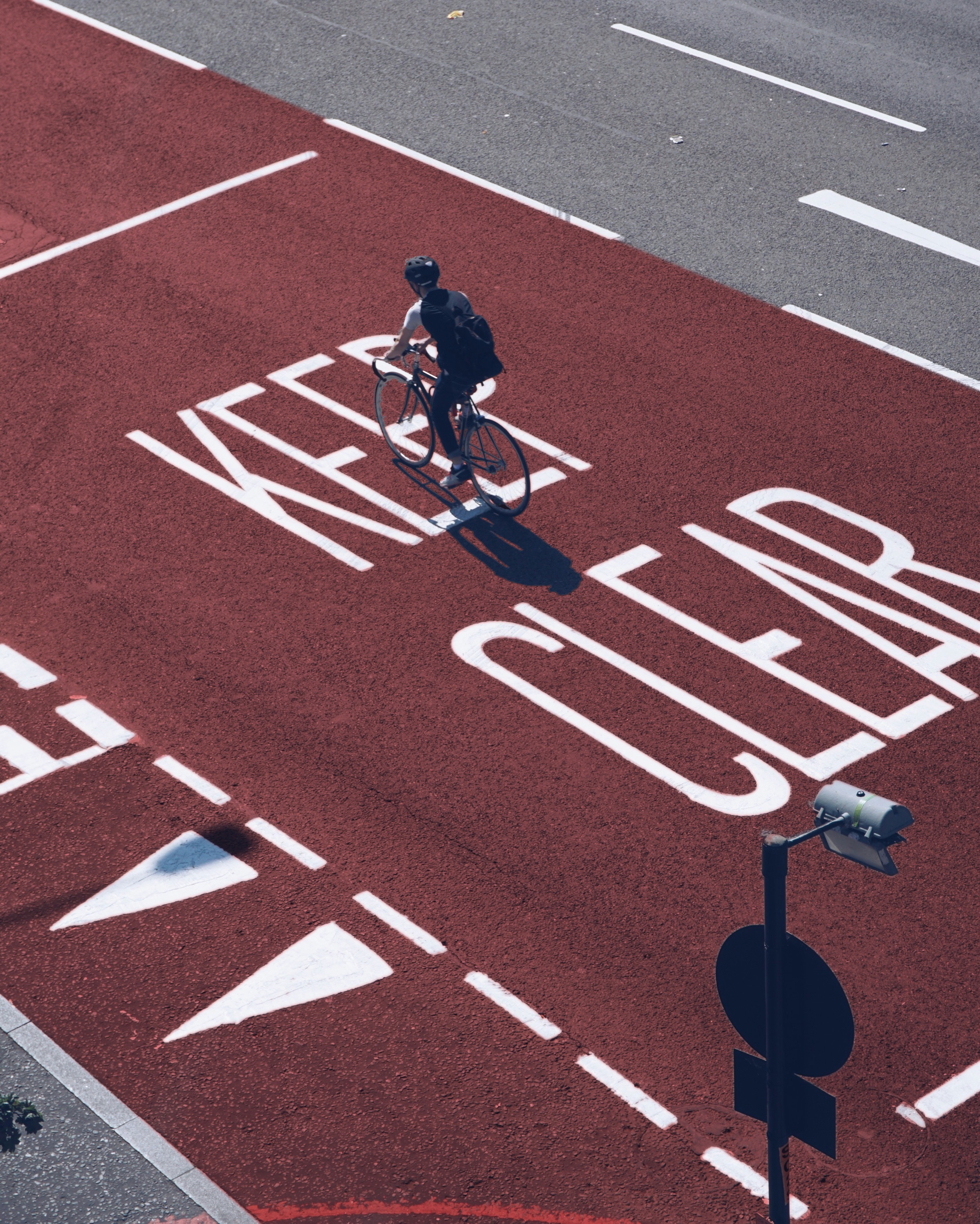
Who stays off the bike
Families with young children, people carrying shopping, office workers, new residents, and people with physical disabilities.
They are the people the network had to work for.
Listening on the street.
We filmed people who share London's roads and asked them about the current situation of cycling in London.
People's voice: who we heard, and the word that stuck
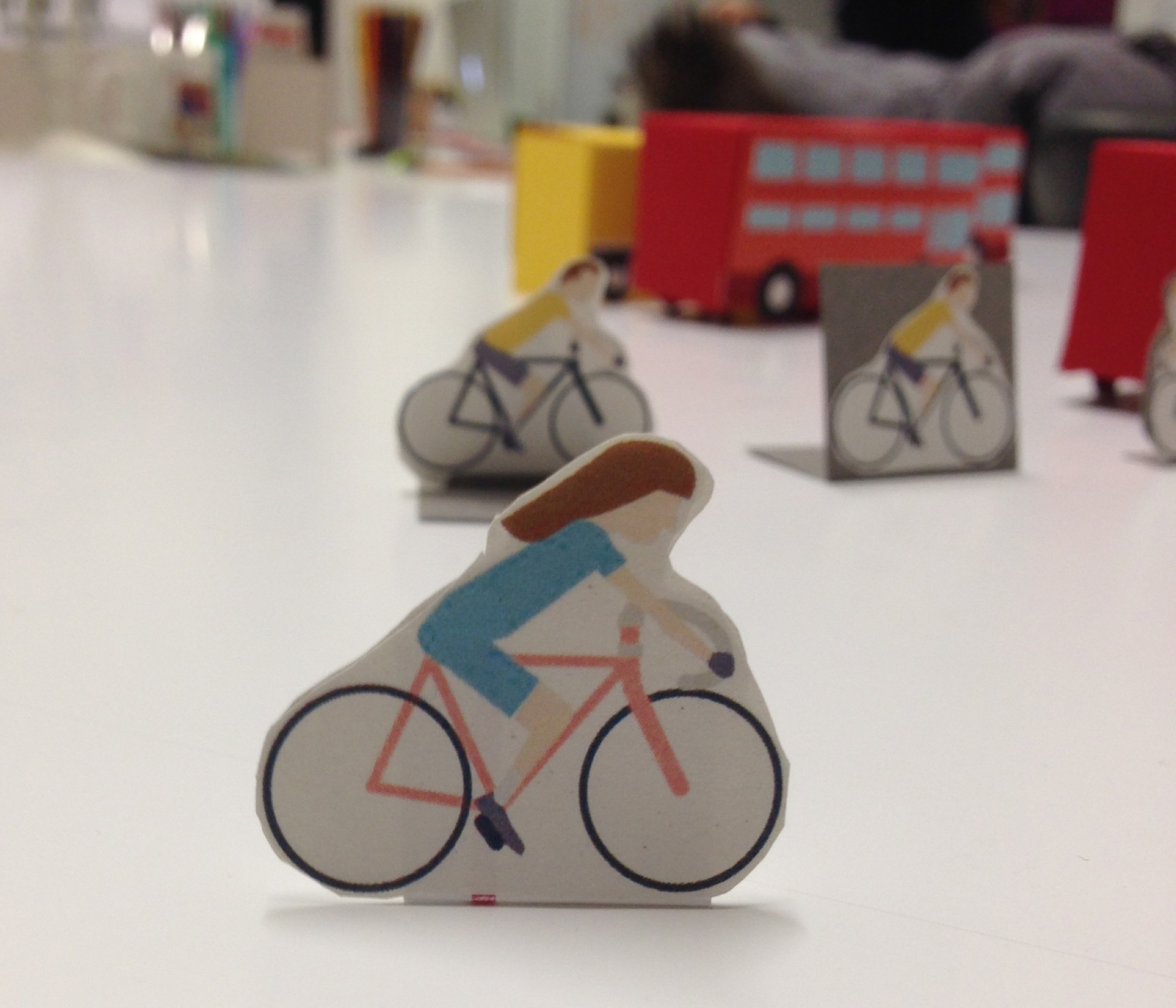
The question, reframed
How might we encourage Londoners, through information and support, to make safer journeys?
Not one cycle lane for everyone. A set of alternative, personalised routes for cyclists of all levels, with a strong focus on safety.
One network, three kinds of route.
Route planning, navigation, information, resting and parking, for every stage of the journey and every level of confidence.
Three types of safe routes
Green routes
- Fewer vehicles
- Through parks
- Child friendly
Blue routes
- A mix of streets
- Connected to other routes
- Along commercial streets
Red routes
- Fast and direct
- For skilled cyclists
- Combine with the Tube
Same start, same destination. Each cyclist picks the route that fits their confidence and their trip.
How people find their route.
An app and a pocket map to plan, and clear signs and local hubs once you're on the street.
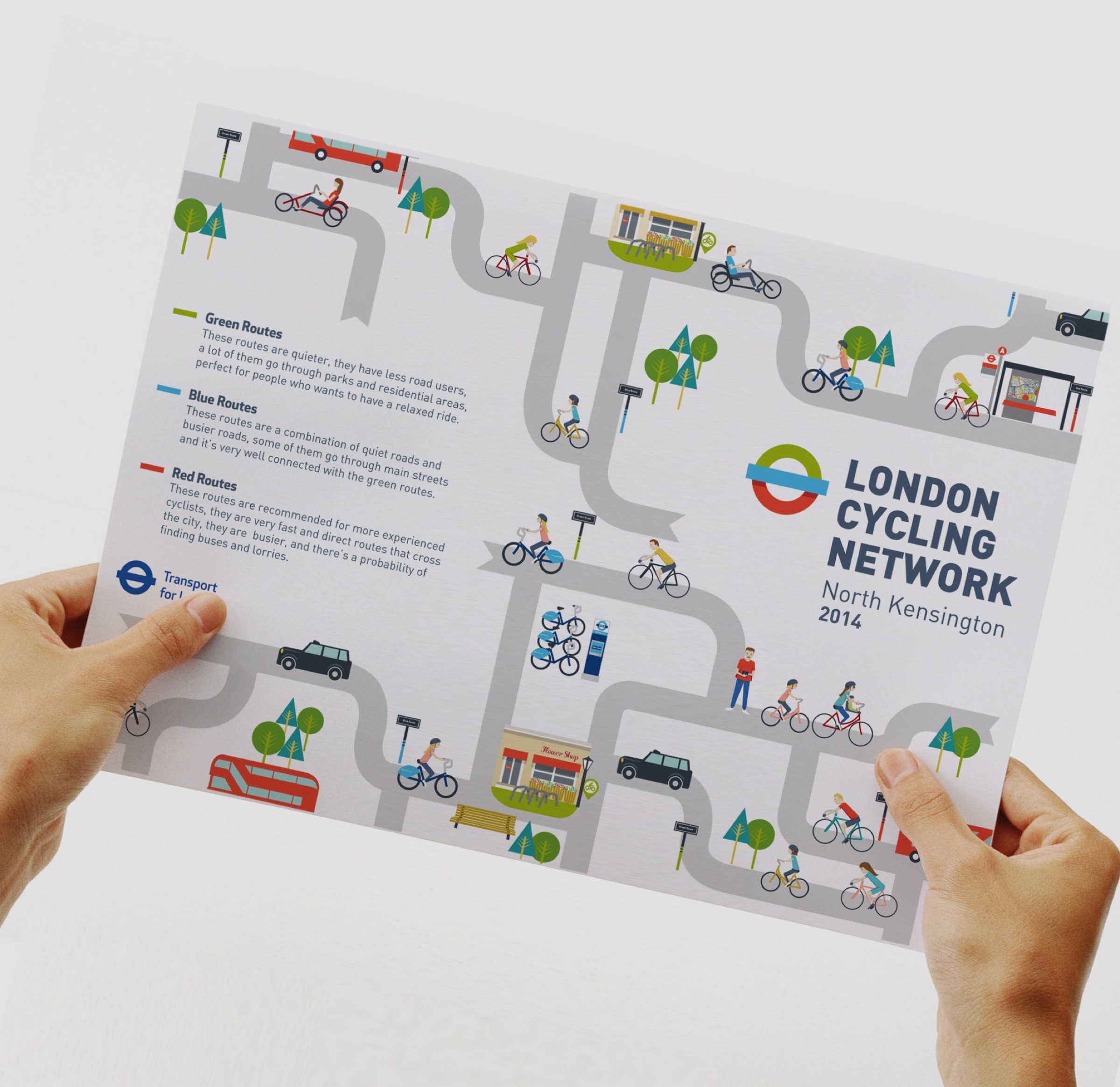
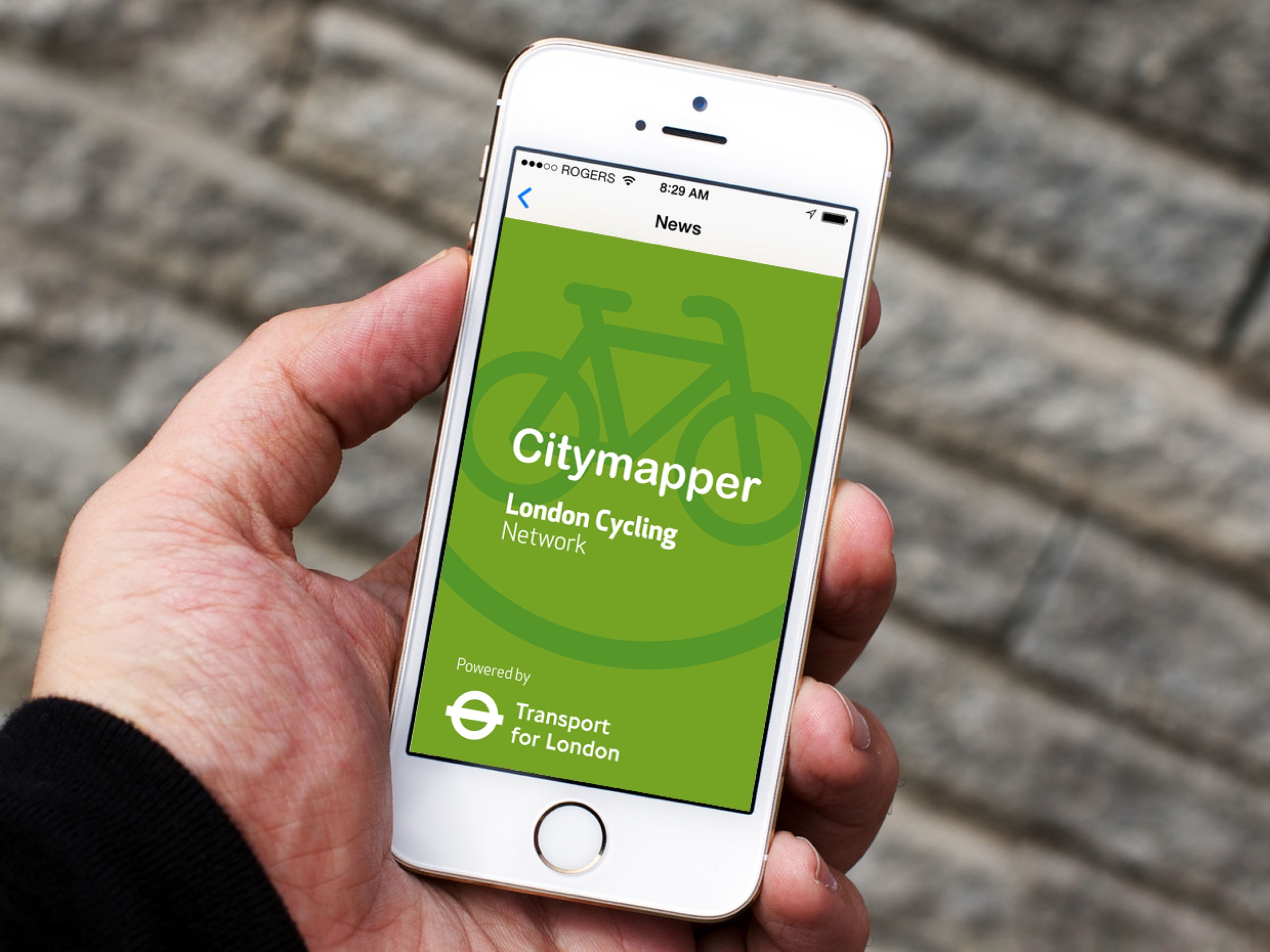
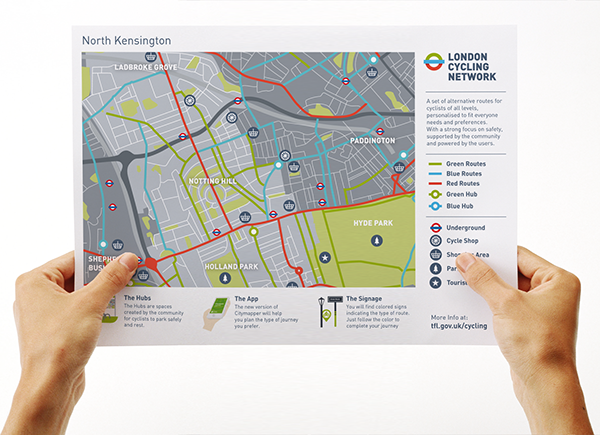
Main solution areas
Route classification: green, blue and red.
A navigation system across app, map and street.
Routes that connect to each other and to the Tube.
What a cyclist uses
- Journey planner appPlan by route type.
- Pocket map by areaOne for each area of the city.
- Low-impact street signageFollow the colour on the street.
- Community hubsPlaces to rest and park, near the heart of local communities.
Who it was designed to benefit.
Supported by the community and powered by its users. With London's dynamic and opportunity-rich landscape as a backdrop, the aim was to make cycling a more personalised and enjoyable way to get around the capital.
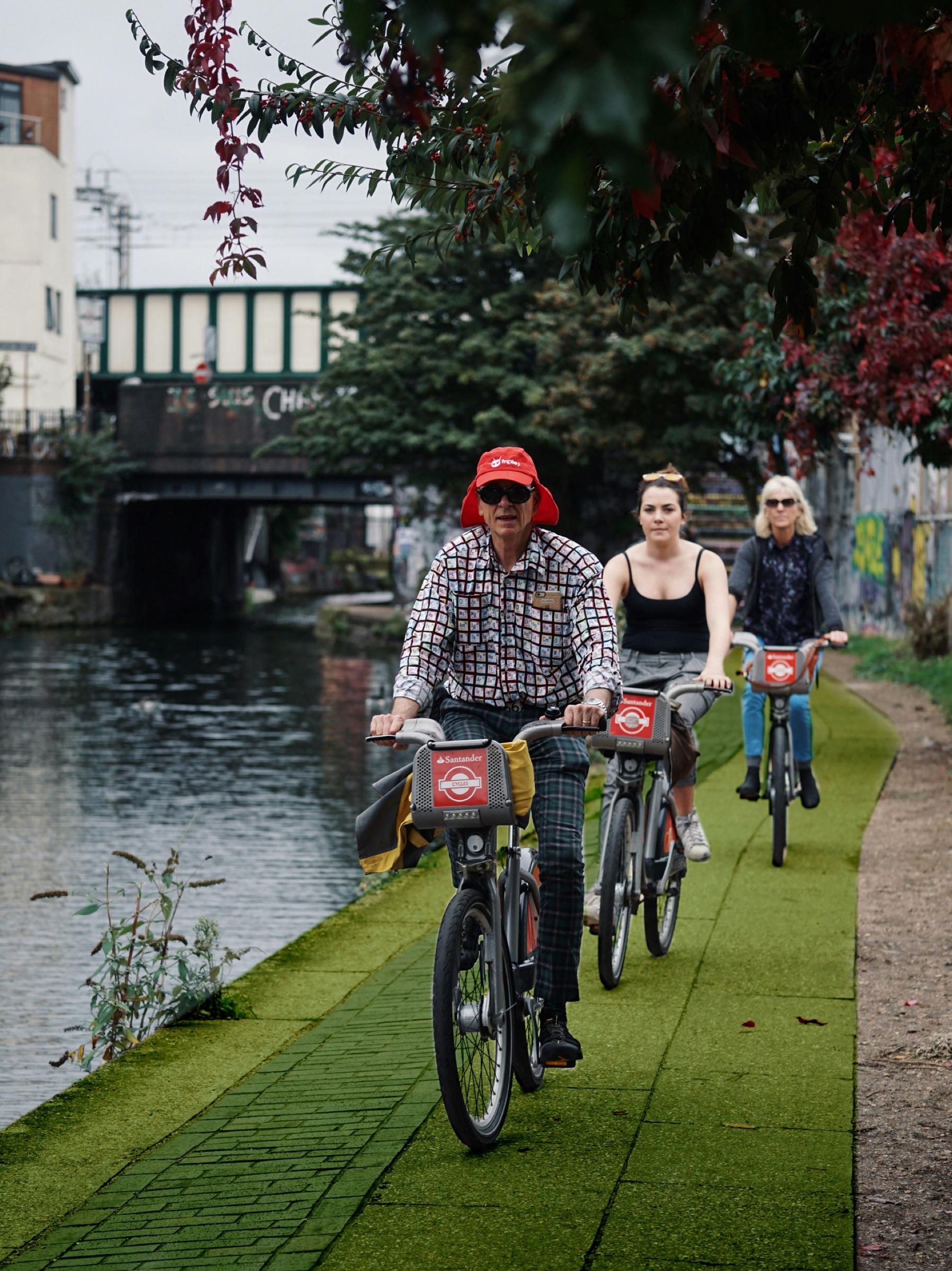
Cyclists
A personalised route for every kind of trip.
Other road users
Dedicated space for cycling, so bikes, buses and cars can share the city.
Local communities
Hubs near the heart of each neighbourhood, and better connections between them.
TfL
A network that respects the different needs of everyone who lives in the city.
These are the intended benefits of the concept, not measured results.